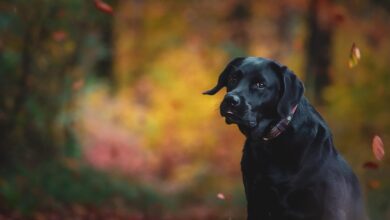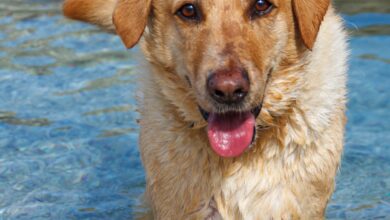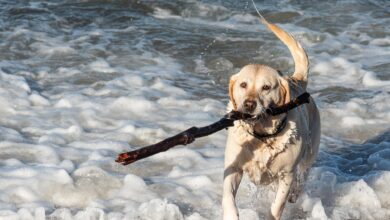


Set among rolling vines in the South Downs, Tinwood Estate is home to eight beautifully designed vineyard lodges, each with a private deck overlooking the estate. Entirely dog friendly, the lodges offer the rare combination of refined luxury and relaxed countryside living, where long walks, fresh air and afternoon snoozes come as standard, for both guests and their pups!
Inside the lodges, guests will find a super king bed dressed in the finest Egyptian cotton, a spacious walk-in shower and a generous two-person jacuzzi bath, perfect for easing tired limbs after a day of exploration. Doggy visitors are well catered for too with dog bed, bowls and treats provided. Outside, the private decked terrace offers uninterrupted views where guests can sit back and relax, chilled glass of bubbles in hand, and sleepy dog curled up at their toes.

Beyond the lodges, visitors can learn about the history and process of wine making through Tinwood’s daily Tour & Tasting sessions before trying each of the wines themselves. Sparkling Afternoon Tea and onsite Vineyard Kitchen provide refreshment and there are two oak barrel saunas (available to lodge guests only) on hand to while away a blissful afternoon.
Step beyond the estate and you’ll find South Downs walks, coastal adventures, charming villages and dog-friendly pubs close by, with Arundel and Chichester both just a short drive away. Borrow Tinwood’s mountain bikes to explore nearby trails or walking routes.

Despite its peaceful countryside setting, Tinwood Estate is easy to reach. Located around 90 minutes from London and just an hour from Brighton and Southampton, it’s ideal for a spontaneous weekend escape or a longer countryside break.
To make the experience even more enticing, Tinwood is currently offering a two-for-one night stay on its vineyard lodges, giving guests the perfect excuse to linger a little longer among the vines. Whether it’s a romantic retreat, a celebratory stay or a countryside escape with your dog in tow, Tinwood Estate delivers relaxed luxury with heart, and a genuinely warm welcome for wagging tails.
Open all year round, each vineyard lodge includes:
- Super king-sized bed with Egyptian cotton bedding
- Two-person Jacuzzi bath
- Large walk-in shower and double sinks
- Private decked terrace with vineyard views
- Heating and air conditioning
- Nespresso coffee machine
- Flat-screen TV and Wi-Fi
- Stocked wine fridge (available to purchase)
- Complimentary use of mountain bikes
- Wood-fired oak barrel sauna